Trending

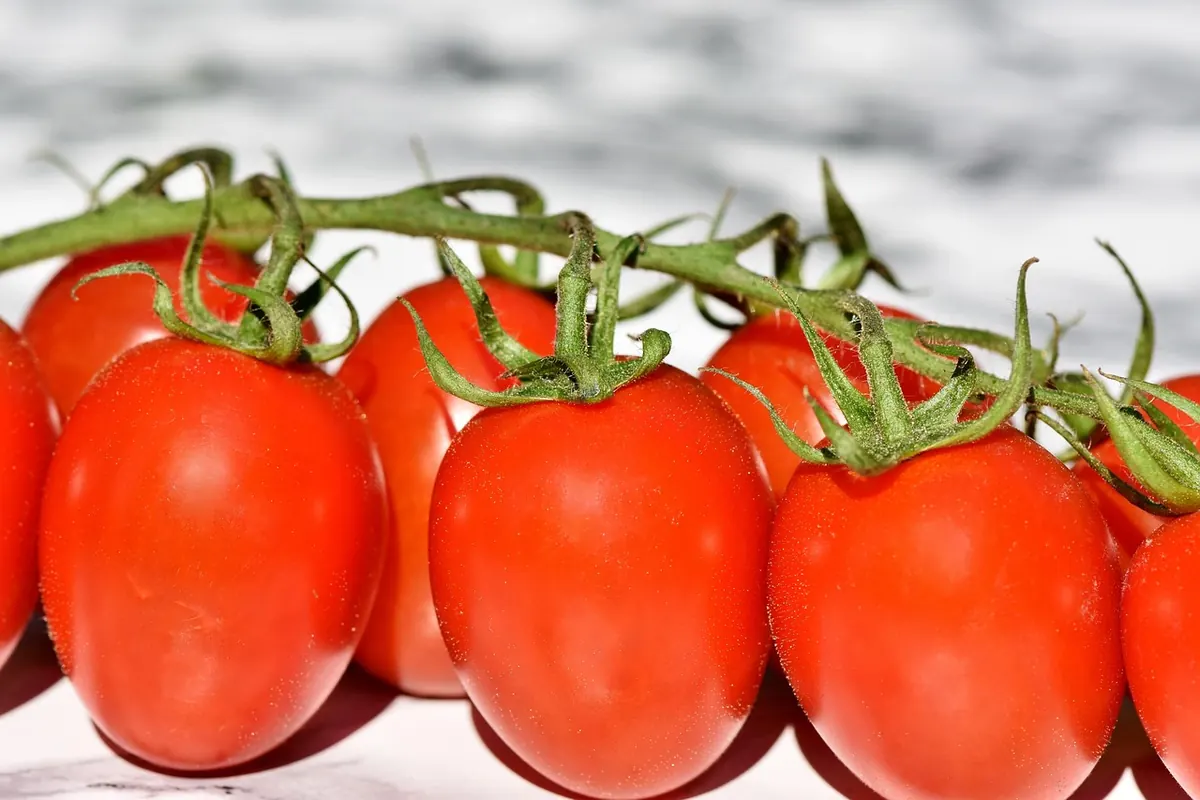
The seed rack in late winter is where the argument usually starts. On one side sits a packet of Brandywine, with a photograph of a lopsided pink beefsteak and a note about a family in Ohio. On the other, a hybrid promising uniform fruit and a plant that shrugs off disease. Both are tomatoes. Both will grow. They are not the same thing, and the difference matters whether you are tending two pots on a balcony or a full row in the vegetable garden.
Heirloom is a story word, not a botanical one. There is no register and no certification body, and no fixed date after which a variety stops qualifying. What the label usually signals is simpler: an open-pollinated tomato that has been grown and saved by someone, often for generations, and that arrives with a history attached — a family, a village, a seed catalogue from the 1920s.
Most heirlooms come by one of two routes. Some are family seeds, carried across borders and handed down with the sauce recipes. Cherokee Purple is said to have reached a Tennessee gardener from a Cherokee family well over a century ago; Amish Paste traces to Amish growers in Wisconsin. Others were once ordinary commercial varieties that fell out of the catalogues when shipping and uniformity took priority, and survived only in gardens. Brandywine and Yellow Pear belong to that second group.
The names matter less than the pattern: these are tomatoes selected by people who were going to eat them, not ship them.
Heirlooms are open-pollinated, which means their genetics are stable enough that saved seed grows into a plant resembling the parent. Save seed from a Brandywine and you get Brandywine again, with minor variation. That is what makes swapping and handing down possible.
Not every open-pollinated tomato is an heirloom, though. A variety released in the 1980s and maintained by seed savers is open-pollinated but hardly antique. The distinction is cultural rather than scientific, and nobody will police your use of the word.
A hybrid, written F1 on the packet, is the first generation of a deliberate cross between two carefully maintained parent lines. Plant breeders choose parents for specific traits — earliness, firmness, resistance to a particular disease — and the offspring inherit a combination that neither parent has on its own. Hybrids are often vigorous and remarkably uniform.
Save seed from a hybrid and the next generation will be a mixed bag, because the genetics reshuffle. That is not a flaw; it is the mechanics of the cross. It does mean you buy fresh seed each year. Big Boy, Early Girl, Celebrity and the sweet cherry Sun Gold are hybrids, and all have earned their place.
Hybrid does not mean genetically modified. Crossing two tomato plants by hand is the same technique gardeners have used for centuries, just done with more record-keeping. If you see disease-resistance letters on a packet — V for verticillium, F for fusarium, N for nematodes, TSWV for tomato spotted wilt — you are looking at a hybrid bred with those pressures in mind.
Heirlooms earned their reputation honestly. They were selected for eating at peak ripeness, and many carry a balance of sugar and acid that supermarket fruit cannot match — deep, faintly smoky Cherokee Purple, dense Yellow Pear, sweet-tart Green Zebra. Their skins are often thin and their flesh soft, which is lovely on a plate and hopeless in a crate.
The honest caveat: not every heirloom is delicious. Some are watery, some are mealy, some are stingy producers that ripen three fruits in a season. Heirloom status guarantees a history, not a flavor. Taste before you commit garden space, at a farmers market or a neighbor's kitchen, and take notes.
Hybrids can be superb, too. Sun Gold is one of the sweetest cherry tomatoes you can grow, hybrid or not. Modern breeding has paid more attention to flavor than it once did, and a well-grown hybrid picked at full color will beat a poorly grown heirloom every time. Sun, water and ripeness still do most of the work.
Here the hybrids pull ahead on practical grounds. Their fruit tends to be uniform in size and shape, with firmer flesh and tougher skins that survive a trip to the market, a week in a bowl, or a lunchbox. Heirlooms crack more readily, bruise if you look at them wrong, and are at their best within a day or two of picking.
That fragility is also their virtue. A ripe heirloom sliced with salt needs nothing else. For sauce, paste types such as Amish Paste or the various San Marzano strains cook down into something thick and sweet with far less reduction than a watery hybrid slicer. If you are canning in quantity, choose a determinate hybrid that ripens a heavy crop in a short window, and you will spend less time chasing fruit.
Hybrid seed and transplants are everywhere — garden centres, hardware shops, the supermarket in spring — because they are reliable to produce and easy to sell. Heirloom seed is a smaller market, though nothing like as scarce as it was twenty years ago; specialist seed companies now carry hundreds of varieties, and seed-saving groups trade locally. Expect heirloom seed packets to be pricier per seed and some varieties to sell out before spring.
At market, heirloom tomatoes often fetch a premium, for the plain reason that the plants yield less and the fruit cannot travel. That premium is real, but so is the reason for it. The cheapest route into heirlooms is to save your own seed, which costs nothing after the first packet and gets easier each year.
The two types behave differently enough that your plot, not your palate, may decide the question.
A few practical adjustments help. Give large heirloom vines generous spacing and a tall, anchored support from planting day, not mid-July. Mulch to keep moisture even, since splitting follows irregular watering more than genetics. In beds with a history of disease, grafted heirloom plants are worth the extra money — the rootstock carries resistance while the top keeps the flavour. And pick heirlooms a day before you think they are ready if rain is forecast.
Start with the question you actually care about. If flavour is the whole point and you eat what you grow within a day or two, plant two or three heirlooms you have tasted yourself — Brandywine for a classic beefsteak, Cherokee Purple for depth, a paste type for sauce. If you want a dependable supply for salads through August, or you are feeding a family from four plants, a hybrid or two earns its space.
Most gardeners end up doing both, and that is the sanest answer. Run one row of a disease-resistant hybrid as insurance and a second row of heirlooms for the pleasure of it. Label everything, keep a notebook of what ripened well and what tasted flat, and save seed from the open-pollinated plants that earned a second year. After two or three seasons you will have a short list tuned to your soil and your kitchen, which is worth more than any catalogue description.
Photo: Ralphs_Fotos / Pixabay