Trending

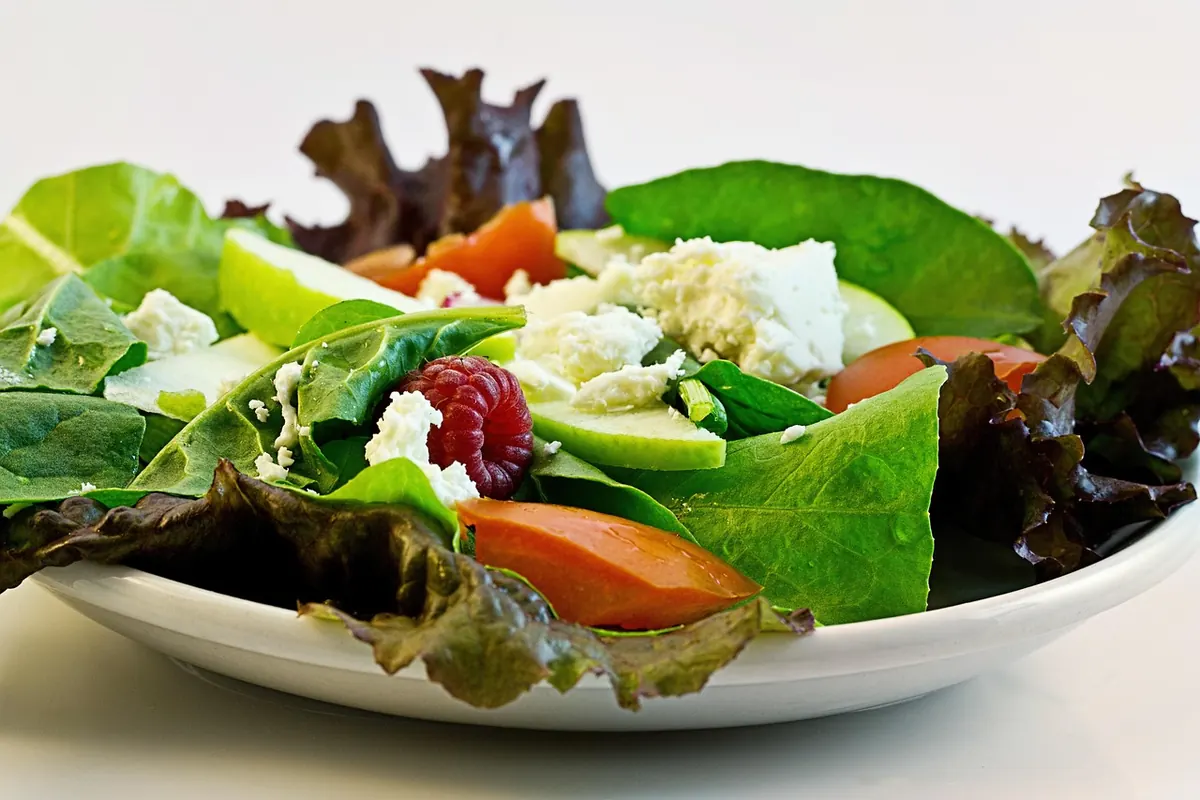
A bag of mixed leaves is a convenient thing, and a forgettable one. The leaves that actually taste of something — peppery, sweet, faintly bitter, clean as cold water — are the ones picked near their season, in the weeks when the plant wants to grow. Salad greens are not one product. They are dozens of crops with narrow windows, and the calendar tells you more about what is worth buying than any label does.
Most salad greens are cool-season plants. Warm weather pushes them to bolt, sending up a flower stalk and turning the leaves leathery and bitter almost overnight. Cold does the opposite: it slows growth, concentrates sugars in some chicories, and makes others crisp and dense. That is why the same lettuce can be superb in May and barely worth eating in August.
So buying by month is not a lifestyle statement. It is the quickest way to get flavour for your money. When you buy leaves in their proper season, you are usually buying from a grower whose ground matches the month, picked within the previous day or two. When you buy out of season, you are often buying leaves that travelled to be there, and they taste like it.
One caveat worth holding onto: local timing shifts. A grower in Sicily can be picking tender lettuce while an Alpine valley is still on radicchio. Treat the months below as a temperate-climate guide and adjust by two to four weeks either way for your own latitude and altitude.
Deep winter is the season of structure, not softness. This is when the bitter and the sturdy come into their own: radicchio in its many forms, Belgian endive, mâche, watercress, spinach, cavolo nero sliced thin, and the first wild arugula from sheltered ground.
Look for radicchio heads with tight, heavy cores and no browning along the cut base. Treviso is long and upright, Chioggia is round and deep red, Castelfranco is pale and delicate — all three should be firm, not floppy at the tip. Mâche, sold in small loose bunches, is fussy about handling but forgiving on the plate: wash it gently in a bowl of cold water, lift it out rather than pouring it into a colander, and let the grit settle.
Winter leaves want fat and warmth. Olive oil, anchovy, a little grated cheese, a warm bacon or mushroom dressing, shaved pear against the bitterness. In Rome, puntarelle appears around late winter and early spring — the tight inner shoots, cut into curls and soaked in ice water until they open, dressed with garlic and anchovy. If you see it, buy it. It is not a leaf that keeps.
Spinach and cavolo nero are the workhorses here. Buy spinach with stems that look freshly cut rather than dried and whitened, and cook the bigger leaves rather than forcing them into a raw salad where they will taste of nothing in particular.
This is the good stretch. Butterhead, oakleaf, loose-leaf lettuces, rocket, pea shoots, sorrel, baby chard, the first proper spinach — everything soft and sweet and quick. The window is short, maybe six to eight weeks at its peak, and it is worth eating salad twice a day while it lasts.
Buying cues change with tender leaves. Roots still attached are a good sign: a lettuce with its root ball intact is still alive and will hold for days in the fridge. Cut ends should look pale and damp, not brown or dried out. Avoid leaves that are wet in the bag; trapped moisture is what turns a beautiful head to slime by Thursday.
Rocket deserves a note. Taste it before you commit to a large bunch. Some is mild and nutty, some is fierce enough to make your eyes water, and the difference matters depending on whether it is going on a plate of tomatoes or being blitzed into a sauce. Sorrel behaves the same way as spinach when heated, dulling from bright green to olive in seconds — use it raw, shredded into a salad with something rich, or barely wilted at the last moment.
Pea shoots and the thinnings from a row of beetroot are worth grabbing when they appear. They bring a sweetness and a snap that no full-grown leaf quite manages.
High summer is the hardest month for salad. Lettuce in the ground bolts, and the leaves turn bitter and thin. What arrives at the market is often cut small to compensate — which is fine, but it means smaller leaves generally eat better than the big ones in July.
Shift your buying instead of giving up on leaves. Purslane, thick and succulent, holds up in heat and gives a lemony crunch. Watercress from cold running water stays peppery. Crisp romaine and iceberg types keep their texture when softer lettuces collapse. Chicory and endive remain reliable. And this is the moment to let some greens be cooked: a plate of blistered green beans, or chard wilted with garlic and lemon, does more for a hot dinner than a bowl of tired mesclun.
Two habits save summer salads. Buy leaves in the morning if you can, and get them cold fast. If a bunch arrives limp, cut the ends, stand it in iced water for twenty minutes, then dry it thoroughly — it will come back most of the way. And dress at the table, never in advance, because warm leaves wilt from the outside in.
Autumn is a repeat with a different accent. Lettuce and rocket come back, often with more flavour than in spring because the nights are cooler. Mustard greens and mizuna appear, sharp and wasabi-hot, excellent mixed with something mellow. Spinach improves. Then, as the light goes, the chicories return.
By November you are back to radicchio, endive, mâche and cabbage for slaw, which is not a consolation prize. Frost genuinely improves many chicories, sweetening them and tightening the heads. Buy them firm and heavy, and do not be alarmed by a little frost damage on the outer leaves — peel and use what is underneath.
This is also the season for warm salads: bitter leaves with lardons or pancetta, endive braised in butter, radicchio charred cut-side down in a hot pan. The leaves that seemed austere in October taste generous by December.
Handle leaves once, properly, when you get home. Wash sturdy greens in cold water, spin them dry, and store in a container lined with a clean cloth; leave tender ones unwashed until you need them. Keep the cloth slightly damp, not wet. Dress at the table, use the stems where they are tender, and revive tired leaves in iced water rather than throwing them out. Buy little and often — two bunches twice a week beats one large bag that fades by Wednesday. And if a head is past its best raw, cook it. Wilted with garlic, folded into a soup, or stirred through warm potatoes, most leaves get a second life.
Photo: stevepb / Pixabay