Trending

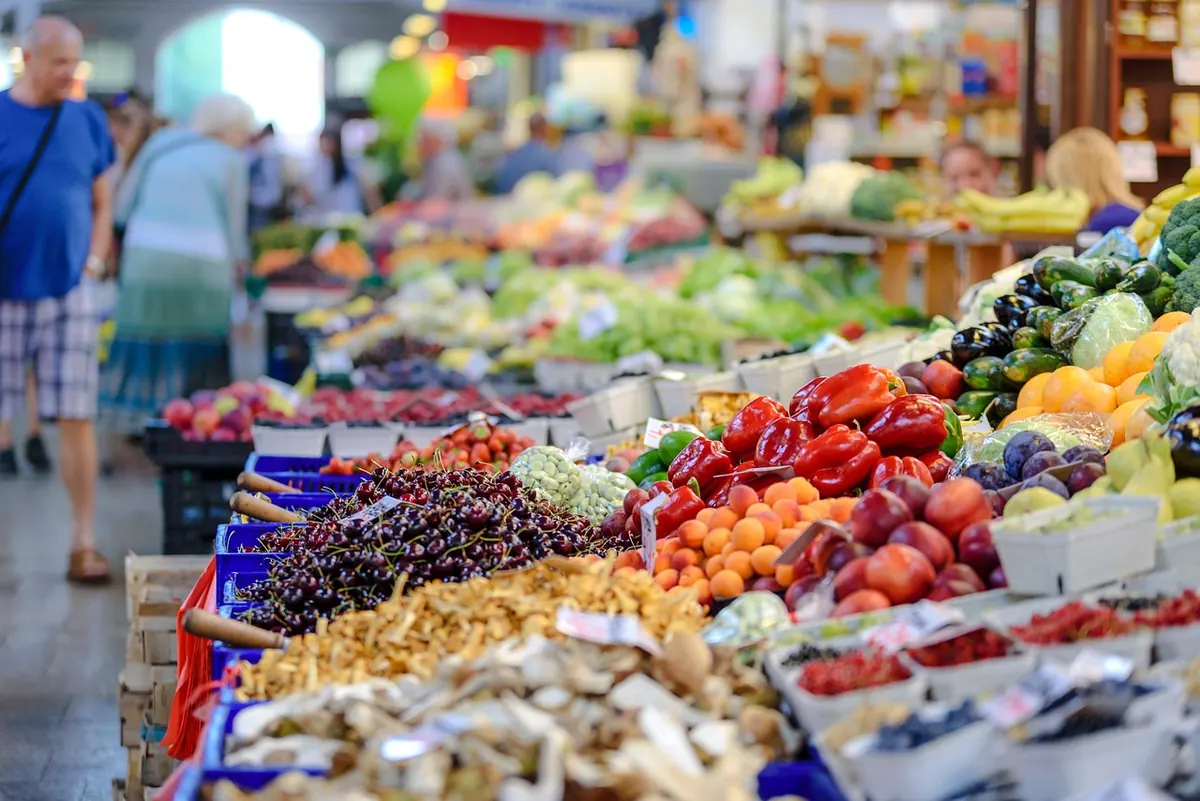
The first time you bring home a peach that looks flawless and tastes of nothing, it feels like a small betrayal. It happens to almost everyone. Market fruit is not supermarket fruit: it was probably picked closer to ripeness, which is good news, but it also means the last judgement call is yours. Nobody is going to sticker it "ready on Thursday" for you.
What makes that easier is knowing ripeness is not a secret. It is a set of small signals — a smell at the stem end, a slight give under the palm, a weight that surprises you — and once you know them, you can judge a whole crate of apricots in under a minute.
Colour sells fruit, which is exactly why it is the cue most often relied on and most often wrong. A deep red apple can be mealy; a pale green pear can be flawless. Colour tells you a stage, not the whole story, so use your eyes for what they are genuinely good at.
Look at the background colour rather than the blush. On a peach or nectarine, the cheek can be deep crimson while the skin around the stem is still green — a dependable sign it needs two or three more days. A ripe one has lost that green and turned cream or gold underneath.
Then scan for the faults that decide your evening: a soft brown patch at the shoulder, a split near the stem, skin starting to wrinkle tight around the top. Those are fruit to eat tonight, not on Friday. Leave anything with a damp base or a whisker of mould, even if the rest of the box looks fine.
One more visual trick: dullness. Very glossy skin can mean fruit picked hard and handled for travel. A faint matte bloom — the dusty haze on plums, blueberries and grapes — is a good sign, not a flaw.
If you only add one habit, add this one. Ripe fruit releases aroma at the stem end and around the shoulders, and your nose is far more sensitive than your fingertips.
Cradle a melon and smell the blossom end — the round scar opposite the stem. It should smell sweet and faintly floral; a cantaloupe with no scent at all will taste like water. Do the same with a pineapple at its base, a fig at the stalk end, a strawberry held close. A ripe tomato smells of tomato, which sounds obvious until you notice how many do not.
Apples and pears give up their scent at the calyx, the dimple at the bottom. Cup the fruit in your hand and sniff — you should get something clean and specific, not a vague coolness. Fruit that has been in cold storage for months often smells of very little, and it will taste accordingly.
Learn the warning notes too. A sour, cider-like or alcoholic smell means past its best; on a melon it usually means the flesh has gone soft right under the rind.
Press with your whole palm and the base of your fingers, never with fingertips — you bruise fruit that way, and the stallholder will notice. You are feeling for a slight resistance that gives way, like a well-stuffed cushion. Hard as a stone means underripe; yielding without springing back means tonight at the latest.
Where to press matters. On a peach, avocado or mango, feel the shoulders around the stem rather than the middle; on a pear, press gently at the neck, just below the stalk, because pears ripen from the inside out and the neck is the first honest report you will get.
Weight for size is the most underrated test at a market stall. A fruit that feels heavier than it looks is full of juice. Pick up two oranges of the same size and compare: the heavier one is the one to buy. The same goes for pomegranates, apples, plums and grapes — a light bunch has been sitting too long.
In a quiet moment, sound helps too. A gentle tap on a melon should come back hollow and low; a dull thud suggests thick rind or unripe flesh.
Turn the fruit over. A fresh, green, slightly moist stem on cherries or grapes is a good sign; a brown, shrivelled one suggests a long journey. Citrus with its leaves still attached is usually recently picked. On tomatoes, a stem scar that is small and clean beats a wide dry one.
And look at the shoulders — the area around the stem on stone fruit. They should be full and slightly rounded, filling out toward the stem rather than pinched. Flat, narrow shoulders on a peach mean it was picked too early to ever soften properly.
Ask once and you will be remembered. Ask twice and you will get the better box next week.
Most fruit will finish ripening on a kitchen counter. Leave peaches, pears, plums, avocados and tomatoes out of the fridge at room temperature, stem side down, spaced so they are not touching. A paper bag speeds things up; adding a ripe banana to the bag speeds it up further. Check daily, because the gap between perfect and too late is short in warm weather.
Move fruit to the fridge only once it is ripe, to hold it a day or two longer. Refrigerating stone fruit and tomatoes while they are still hard can leave them mealy and dull, and no amount of time on the counter afterwards will fix that. Wash everything just before you eat it, not before you store it, and keep soft fruit in a single layer so the bottom of the punnet does not turn to jam.
None of this requires a trained palate. Smell the fruit, feel its weight, look at the stem end, ask one question, and taste what you bought. After a few weeks of market Saturdays, your hands will know before your head does.
Photo: AS_Photography / Pixabay